How Gutter Cleaning in Hackettstown Supports Proper Water Management

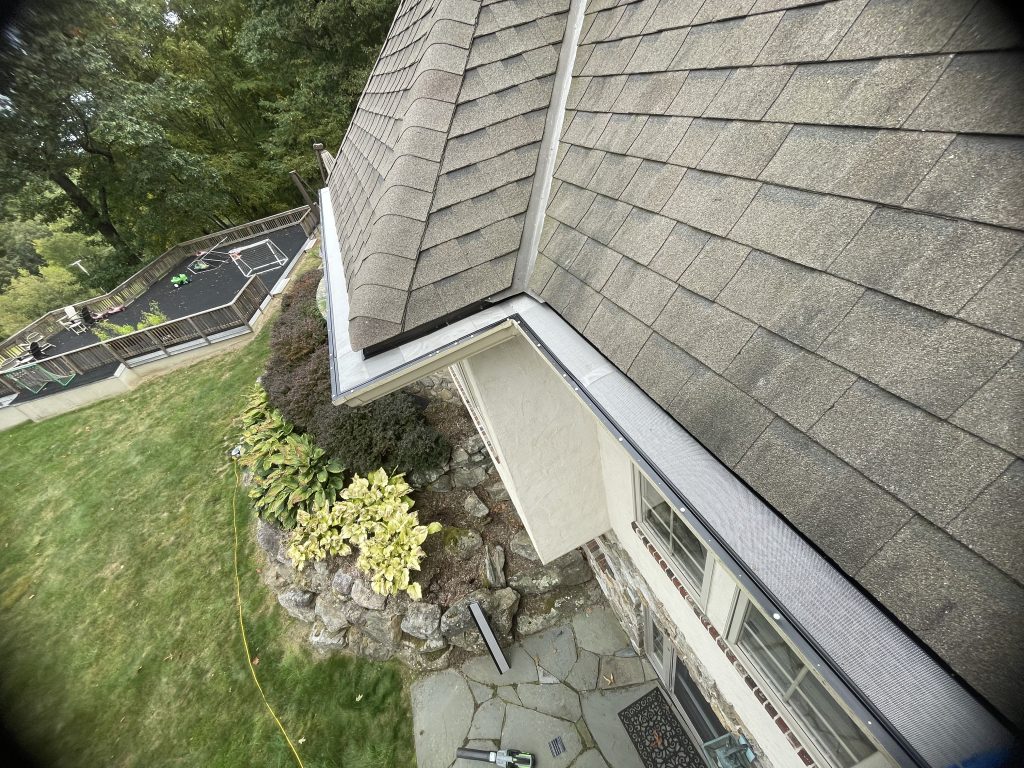
Water has a way of finding every weak point in a house. It slips under shingles, works into fascia boards, pools against foundations, and turns a tidy yard into a muddy trench if it is not directed properly. Most homeowners think about gutters only when they overflow during a storm, but the real story starts much earlier. Gutters are one of the simplest water management systems on a property, and when they stop doing their job, the damage spreads far beyond the roofline.
That is especially true in a place like Hackettstown, where seasonal weather puts drainage systems through a full cycle every year. Spring rains, summer downpours, fall leaf drop, and winter freeze thaw conditions all test whether gutters can move water quickly and consistently. When they are clean and pitched correctly, they protect the roof, siding, walkways, landscaping, and the house itself. When they clog, they stop being a protection system and start acting like a water trap.
Homeowners searching for Gutter Cleaning Hackettstown services are often reacting to a visible problem, water spilling over the edge, a downspout that gushes in one place, or black streaks on the siding. Those signs matter, but by the time they show up, water has usually been misbehaving for a while. Proper gutter cleaning is less about appearance and more about restoring controlled drainage before small issues turn expensive.
Water management starts at the roof edge
Every roof sheds an enormous amount of water during a rainstorm. Even a modest home can channel hundreds of gallons off the roof in a single heavy rain. The job of the gutter system is straightforward on paper: catch that runoff, move it along the eaves, send it down through downspouts, and discharge it far enough from the home that it will not return to the foundation. In practice, that process only works when the channels are open.
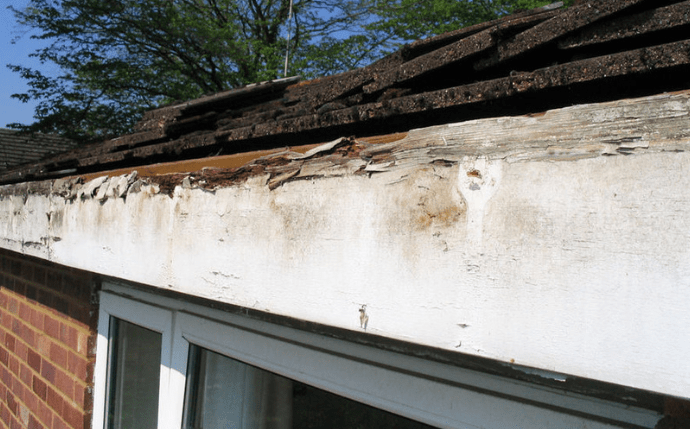
Leaves, seed pods, pine needles, shingle grit, and roof moss do more than fill space. They slow water down. Once debris begins to mat together, it acts like a dam. Water backs up behind it, spills over the front edge, or worse, runs behind the gutter where homeowners cannot easily see it. I have seen fascia boards look sound from the yard, only to be soft enough to push through with a screwdriver once the gutter was removed. The wood had been taking on water for years.
Good water management depends on movement. Standing water inside gutters is a warning sign because it means the system has lost its ability to drain. Mosquitoes breed in it. Metal components corrode faster. Organic debris breaks down into a dense sludge that becomes harder to remove. In winter, that trapped water can freeze and expand, stressing seams, brackets, and hangers. A gutter does not need to be completely full to fail. Sometimes a partial blockage near an outlet is enough to compromise the entire run.
Why Hackettstown homes face unique gutter stress
Hackettstown properties often deal with a mix of mature trees, changing elevations, and four-season weather. That combination matters. A home surrounded by oaks or maples may receive a heavy blanket of leaves in autumn, but that is not the only season that creates problems. Spring brings blossoms, twigs, and helicopter seeds. Summer storms can wash roof granules and branch debris into the troughs. Winter can lock in any neglected buildup and create ice issues that linger well into thaw periods.
Topography also plays a role. On flatter lots, poor discharge can leave water sitting close to the house. On sloped lots, concentrated runoff can cut channels into mulch beds, wash out soil, and send water toward lower level entrances or garage doors. I have seen two neighboring houses on the same street handle the same storm very differently simply because one had clean, functioning gutters and the other had downspouts discharging into compacted soil right at the base of the foundation.
Older homes in the area can be even more vulnerable. Some have undersized gutters installed decades ago, often with fewer downspouts than modern standards would suggest. Others have additions that changed rooflines without fully rethinking drainage. When a valley dumps water into a short gutter section and that section is partly blocked, overflow can become dramatic fast. That is why Gutter Cleaning Hackettstown is not a one size fits all task. The right approach depends on the roof shape, nearby trees, gutter size, and how water exits the property.
What clogged gutters actually do to a house
People often picture one obvious failure: water pouring over the edge during a rainstorm. That does happen, but overflow is only one symptom. The bigger concern is where that water goes next.
If it falls straight down at the foundation, the soil becomes saturated. Over time, that can increase hydrostatic pressure against basement walls or crawlspace perimeters. Minor cracks that stay dry under normal conditions may begin to seep. Window wells can fill. Interior humidity can rise, even if standing water never appears. In houses with finished basements, the first sign may be a musty smell rather than a puddle.
Water that runs behind the gutter can rot fascia, soffits, and roof decking. That kind of damage often stays hidden until paint peels, birds find an opening, or a contractor notices soft wood during another repair. Siding suffers too. Repeated splashback leaves streaks, encourages mildew, and in some materials can shorten the life of the finish.
Then https://blogfreely.net/ravettdfrh/benefits-of-hiring-local-experts-for-gutter-cleaning-in-hackettstown there is the ground level damage. Overflowing gutters dump a surprising amount of force into one spot. Mulch scatters. Flower beds erode. Soil settles unevenly. Sidewalks and patios near the discharge zone become slippery with algae. In colder months, those wet areas can refreeze and create hazardous patches of ice.
One homeowner once described their issue as “just a little waterfall by the porch.” What they actually had was a clogged upper gutter spilling onto a lower roof, which then overloaded the lower gutter and sent water across the front steps. The staining on the siding was obvious, but the more serious issue was the rot starting in the porch trim and the icy entryway it created each winter. Cleaning the gutters fixed the immediate flow problem, but it also revealed where a downspout extension and minor pitch adjustment were needed. That is how water management usually works in real life. One neglected component leads to stress somewhere else.
Clean gutters protect more than the foundation
A lot of gutter conversations focus on basements, and for good reason, but the benefits spread further.
Roof edges last longer when water is directed away instead of backing up under shingles. Painted trim holds up better when it is not repeatedly soaked. Landscape beds keep their shape when runoff is dispersed instead of dumped. Even exterior maintenance costs become more predictable because water is not accelerating decay in several places at once.
There is also a practical day to day benefit: a cleaner, safer perimeter around the home. Overflowing gutters tend to create muddy strips around the house, especially near busy walkways or utility access points. If you have ever had to drag a trash bin through a soggy side yard after a storm, you know how quickly poor drainage becomes a nuisance, even before it becomes a structural concern.
The signs that cleaning is overdue
Some homes advertise the problem loudly. Others stay quiet until there is a storm large enough to expose the weakness. A few indicators show up again and again on properties with compromised drainage:
- Water spilling over the front or sides of gutters during rain
- Plants or moss growing from the gutter channel
- Dark streaks on siding or pooled water near the foundation
- Sagging gutter sections or separated joints
- Birds, insects, or pests nesting around damp debris
Those clues are worth taking seriously, but they are not the whole checklist. In my experience, one of the most overlooked signs is a downspout that seems to drain slowly even when the gutter above it looks mostly clear. That usually means the clog has formed at the outlet or inside the elbow, where debris compacts tightly and simple rinsing will not solve it.
Timing matters more than most people think
Many homeowners think of gutter cleaning as a fall chore, and fall is certainly a major season for it. But the best schedule depends on the property. A house under heavy tree cover may need service in late spring and again after the leaves drop. Another home with fewer trees but frequent pine needle accumulation may need smaller, more regular cleanings because needles pack densely and travel deep into downspouts.
For Hackettstown homes, two service windows often make sense. One is after the main autumn leaf drop, when gutters are most likely to be filled with fresh debris. The other is in spring, after winter has revealed any blockages, hanger issues, or ice related damage. That schedule is not a rule, just a solid baseline. Some roofs need more attention, especially if valleys collect twigs or if nearby trees overhang the house.
A severe storm can also justify an off cycle inspection. High winds do not just drop leaves. They can shift screens, loosen spikes, and send branches into places where water flow narrows suddenly. A quick check after major weather often catches a problem before the next rain tests it.
Cleaning is not just scooping out leaves
True gutter maintenance is more than debris removal. A proper service should restore water flow and give the system a chance to perform as designed. That means looking at the whole path the water takes, not just the visible material in the channel.
A thorough cleaning usually includes these essentials:
- Removing debris by hand or tool, not simply pushing it toward the downspout
- Flushing the runs to confirm water moves correctly
- Clearing downspouts completely, including elbows and underground tie ins where accessible
- Checking for loose hangers, seam separation, and improper pitch
- Observing discharge areas to see whether water is leaving the house perimeter effectively
That last point is easy to underestimate. I have seen perfectly clean gutters feed into downspouts that emptied right beside the foundation because an extension had been removed for mowing and never put back. Technically the gutters were flowing, but the property still had a water management problem. Clean channels are only part of the system.
The trade-offs of gutter guards and screens
Gutter guards can help, but they do not eliminate maintenance. This is one of the most misunderstood parts of gutter care. Some guard systems keep large leaves out effectively, which reduces the volume of debris in the trough. Others struggle with small seeds, pine needles, or roof grit. Fine mesh products can perform well, but if they are installed poorly or become clogged on top, water may still overshoot in heavy rain.
There is also a regional factor. On tree heavy properties in Hackettstown, certain guard styles can create a false sense of security. Debris accumulates above or around them, and because the inside of the gutter is hidden, homeowners assume everything is fine until overflow appears. In some cases, guards reduce cleaning frequency. In other cases, they complicate cleaning and inspection because panels have to be removed to reach compacted material underneath.
That does not make guards a bad investment. It simply means they should be chosen with realistic expectations. They are part of a maintenance strategy, not a permanent escape from maintenance.
Safety and technique are part of the equation
Ladder work around gutters looks simple until it goes wrong. Uneven ground, wet surfaces, overhead wires, and awkward rooflines all add risk. A single story ranch is one thing. A two story home with rear elevation changes and tight access around landscaping is another. I have met plenty of homeowners who are capable of handling routine maintenance but choose to hire it out because the physical risk is not worth it.
There is also the technique side. Aggressive pressure washing can damage seams or force water behind trim. Walking on a roof to blow debris into gutters can loosen shingles or create slip hazards, especially on older surfaces. Even small mistakes, like leaning too hard on the outer lip of an older gutter, can bend the profile and affect drainage.
Professional gutter cleaning is valuable not just because it removes debris, but because it tends to catch the secondary issues early. A hanger pulling loose, a seam beginning to open, a downspout strap missing on the side yard, these are minor repairs when spotted in time.
Water management extends beyond the gutter itself
A gutter system cannot solve every drainage issue alone. It needs support from grading, splash blocks or extensions, and clear discharge paths. If the yard slopes back toward the house, clean gutters will still struggle to protect the foundation. If underground drain lines are clogged with roots or silt, water can back up even when the roofline system is spotless.
This is where experience matters. Effective water management is about following the path of water from the roof all the way to its exit point. During inspections, I pay close attention to where the downspouts terminate, how far water is carried, and whether that discharge area can absorb the volume. In some cases, moving water just five or six feet farther away from the house makes a substantial difference. In others, the solution is less about distance and more about preventing concentration in one vulnerable corner.
One common issue is front entry areas where a short downspout discharges onto a walkway that slopes toward the house. Homeowners often focus on the slippery surface, which is fair, but the deeper problem is that the system is returning water to the structure instead of carrying it away. The fix may involve an extension, a redirected elbow, or drainage improvements at ground level. Cleaning the gutter reveals the problem. Managing the discharge solves it.
Why regular service saves money in uneven ways
Not every benefit of gutter cleaning shows up as a dramatic avoided disaster. Sometimes the savings are quiet. Paint lasts a few more years. Mulch stays in place through storm season. Basement humidity remains stable. Trim repairs stay minor instead of turning into partial replacement. Those are not flashy wins, but they matter.
The financial logic becomes clearer when compared with repair costs. A routine cleaning is modest next to replacing rotted fascia, repairing interior water staining, addressing mold in a damp basement, or regrading a perimeter damaged by repeated runoff. Water damage rarely stays confined to one material. It starts in one place and migrates. That is why maintenance earns its value over time rather than all at once.
For homeowners preparing to sell, clean and functioning gutters also affect how a property presents. Overflow stains, sagging sections, and washout near the foundation signal deferred maintenance. Even if no major damage exists, buyers notice drainage issues quickly because they suggest hidden risk.
Choosing a practical approach for your property
The right maintenance plan depends on what your house is dealing with. A heavily wooded lot with multiple roof valleys should not follow the same schedule as a home with minimal tree coverage and a simple gable roof. The most sensible approach starts with observation. How fast do gutters collect debris? Where does water go during a hard rain? Are some sides of the house consistently worse than others? Does winter create icier conditions near certain downspouts?
These details help determine whether the property needs twice yearly service, seasonal checks, guard installation, downspout extensions, or a broader drainage adjustment. A good provider of Gutter Cleaning Hackettstown services should be able to explain not just what was removed, but how the system is behaving and where water may still be causing trouble.
That practical perspective is what turns gutter cleaning from a routine chore into part of a larger water management strategy. The goal is not merely to have empty channels for a week. It is to give rainwater a controlled route off the roof and away from the home, season after season.
A small system with a big job
Gutters do not get much credit when they work well. They sit at the edge of the roof and quietly handle one of the most persistent threats any home faces. Yet their performance affects almost every exterior surface below them. When they are clean, aligned, and draining properly, they reduce stress on the entire property. When they clog, water starts making decisions for you.
For homes in Hackettstown, where weather and tree cover often keep drainage systems under pressure, regular gutter cleaning is one of the simplest ways to support proper water management. It protects the obvious areas, like siding and foundations, and the less obvious ones too, like trim, landscaping, walkways, and basement air quality. A clean gutter may not seem dramatic, but in the life of a house, it is one of the clearest examples of how small maintenance prevents large problems.
Just Gutters LLC
Address: 262 Main St, Hackettstown, NJ 07840
Phone number: +12013319454
FAQ About Gutter Cleaning Hackettstown
How much should a gutter clean cost?
Professional gutter cleaning typically costs between $163 and $333, with a national average of around $210 to $250 for a standard-sized home.
What months should you clean gutters?
You should clean your gutters twice a year—once in late autumn (November to December) and once in late spring (April to May).
Is it worth paying for gutter cleaning?
Yes, paying for gutter cleaning is worth it because it prevents thousands of dollars in water damage, roof leaks, and structural repairs.